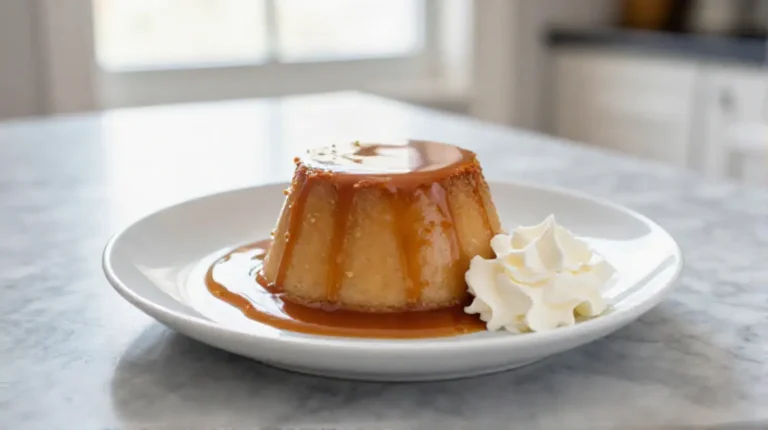
Gordon Ramsay Crème Brûlée Recipe ignited my passion for mastering the art of custard. The first time I attempted it, I watched my custards bake beautifully—only to whisk them away to the depths of a rubbery disaster. The moment the torch hit that sugary crust and caramelized into a shiny masterpiece, something clicked in my brain: perfection was within reach. Every crack of that delicate surface promised a rich, velvety vanilla experience the moment I spooned into it. This recipe isn’t just a technique; it’s a damn revelation that transforms your cooking game. Let me guide you through it with a no-BS approach that’s going to change how you tackle this classic dessert.
Stop Screwing Up Your Gordon Ramsay Crème Brûlée Recipe
Heat control is key: Too much heat can make your custard curdle, while too little will leave you with a soupy mess. Learn to control your oven’s temperature precisely to achieve that custard texture.
Timing is everything: You may think a long bake is the answer, but overbaking can ruin the creaminess. Use a timer and check the custard at the specified time, relying on its jiggle, not just the clock.
Don’t oversweeten: The sugar ratio in your custard impacts not just flavor but also texture. Too much sugar can lead to a grainy texture and overpower the delicate vanilla. Stick to Ramsay’s balance.
Proper resting is essential: Once out of the oven, let your custard rest. It allows for even temperature distribution and helps it set perfectly. Don’t rush this; the custard needs time to relax.
Pan choice matters: Use ramekins rather than shallow dishes; this will ensure even cooking and prevent overcooking the edges. Plus, they present beautifully at serving time.

What Every Home Cook Misses from Gordon Ramsay
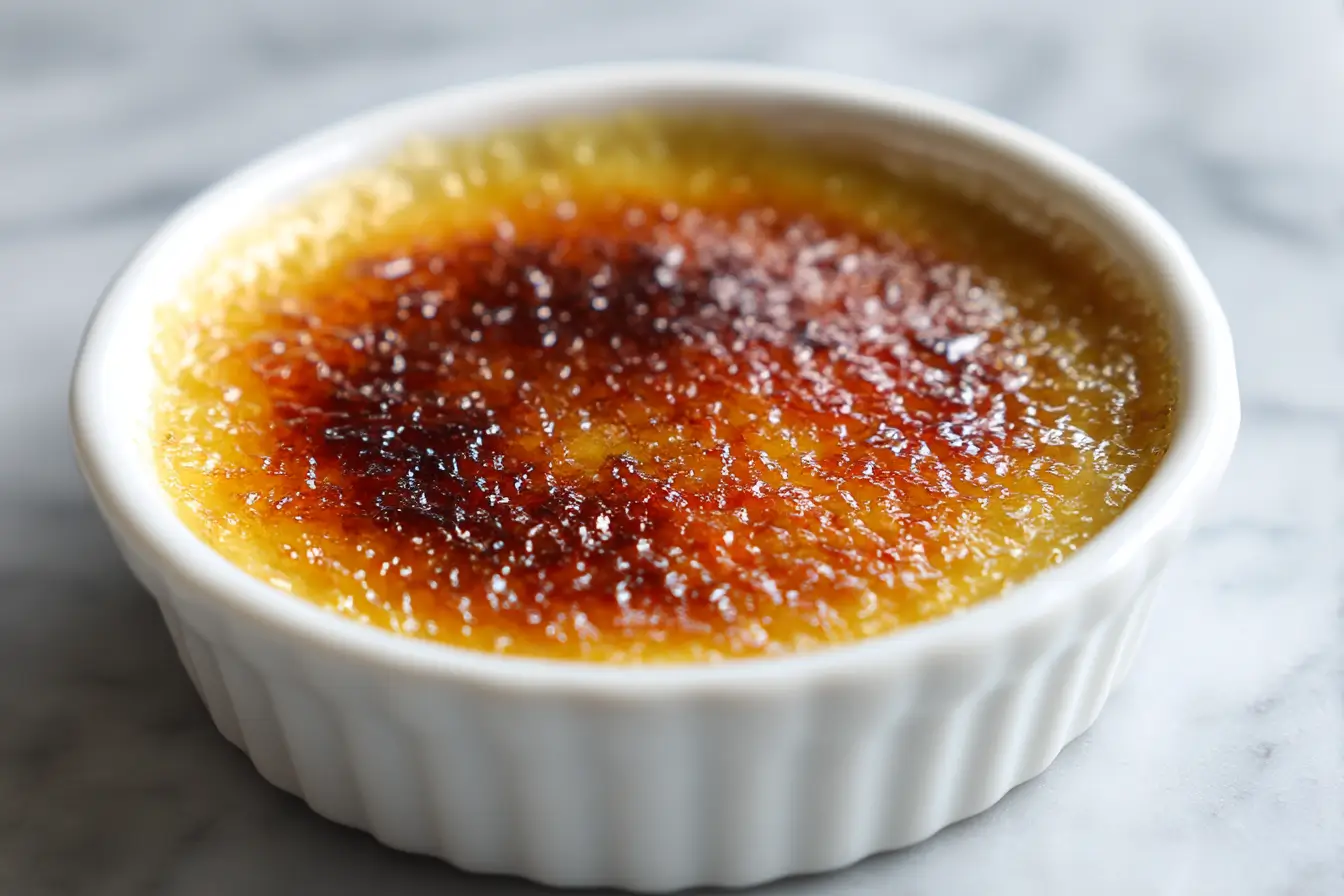
Ramsay emphasizes precision in every step, and while it may seem pedantic, his mantra rings true: “color equals flavor.” Creating the perfect Gordon Ramsay Crème Brûlée means no distractions; focus solely on producing that golden crust while maintaining a creamy interior. The right discipline in heat ensures you develop flavors without burning. Remember that basting isn’t just for meats; it’s a technique to create layers of flavor. Take it seriously, and your desserts will reflect that prowess.
Personal Touch to My Version of the Dessert
What I keep sacred from Ramsay’s approach is the technique of tempering the eggs. It avoids coagulation and guarantees a silky custard. However, I make slight tweaks to suit home cooking. While I still stick with traditional ramekins, I sometimes switch to a thicker-bottomed pan to control the heat better. I prefer a touch more vanilla than Ramsay—because why not amplify those flavors? I also find that using my hand to test the custard’s firmness offers me more control than any thermometer; it gives me a confidence boost. Sometimes, you break the rules for speed or efficiency when time is tight, like using a broiler instead of a torch for that quick caramel finish.
Ingredients with My Notes
Main ingredients:
- 2 cups heavy cream
- 1 vanilla bean (or 1 tablespoon vanilla extract)
- 5 large egg yolks
- 1/2 cup granulated sugar
- Pinch of salt
Optional finishing additions:
- Extra sugar for the brûlée topping
- Fresh fruit for garnish
- Mint leaves for presentation
The No-Nonsense Cooking Method
Start by preheating your oven to 325°F. This precise temperature is vital to achieve the perfect custard without curdling the eggs.
In a saucepan over medium heat, combine the heavy cream and the split vanilla bean, scraping the seeds into the pot. Bring it to a gentle simmer to infuse those rich flavors into the cream, carefully stirring. Once it begins to simmer, turn off the heat, but do not let it boil.
In a mixing bowl, whisk together the egg yolks, sugar, and salt until the mixture is pale and slightly thickened. This is where your base for the custard starts to build.
Carefully pour the warm cream into the egg mixture a little at a time, whisking constantly to temper the eggs. This prevents them from scrambling. Ensure all the creamy goodness is mixed together seamlessly.
Once fully combined, strain the mixture through a fine sieve into another bowl to eliminate any lumps or cooked egg bits. This results in a silky custard—vital for that perfect texture.
Pour the strained custard evenly into your prepared ramekins, filling them to just below the rim. Place the ramekins in a baking dish and carefully fill the dish with hot water until it reaches halfway up the sides of the ramekins. This water bath will help cook the custards evenly.
Slide the whole setup into your preheated oven and bake for about 30-35 minutes. Keep an eye on them; they should be set but still have a slight jiggle in the center.
Once baked, remove them from their water bath and let them cool at room temperature. Then, chill them in the refrigerator for at least two hours, allowing the flavors to meld beautifully.
Just before serving, sprinkle a thin layer of sugar over the top of each custard. Using a kitchen torch, caramelize the sugar until it forms that perfect crispy crust, monitoring closely to prevent burning. If you don’t have a torch, you can place them under the broiler for a few minutes, but watch them like a hawk.
Let the custards rest for a couple of minutes after caramelizing before serving. This step allows the sugar to harden and develop that satisfying crunch atop your silky custard. The Gordon Ramsay Crème Brûlée Recipe is complete, and I promise you, it surpasses any restaurant experience— talk about owning the kitchen!

Gordon Ramsay Crème Brûlée Recipe
Rate this RecipeIngredients
Equipment
Method
- Preheat your oven to 150°C.
- In a saucepan, heat the heavy cream and half of the sugar over medium heat until just simmering. If using a vanilla bean, split it and scrape the seeds into the cream.
- In a mixing bowl, whisk the egg yolks and the remaining sugar until pale and slightly thickened.
- Slowly add the hot cream to the eggs, whisking constantly to temper the eggs. Stir in the vanilla extract if not using a vanilla bean.
- Strain the mixture through a fine sieve into a pouring jug.
- Divide the custard into ramekins and place in a baking dish. Fill the dish with hot water halfway up the sides of the ramekins.
- Bake for about 20 minutes or until just set. The centers should still be slightly wobbly.
- Remove from the oven and let cool to room temperature, then refrigerate for at least 2 hours.
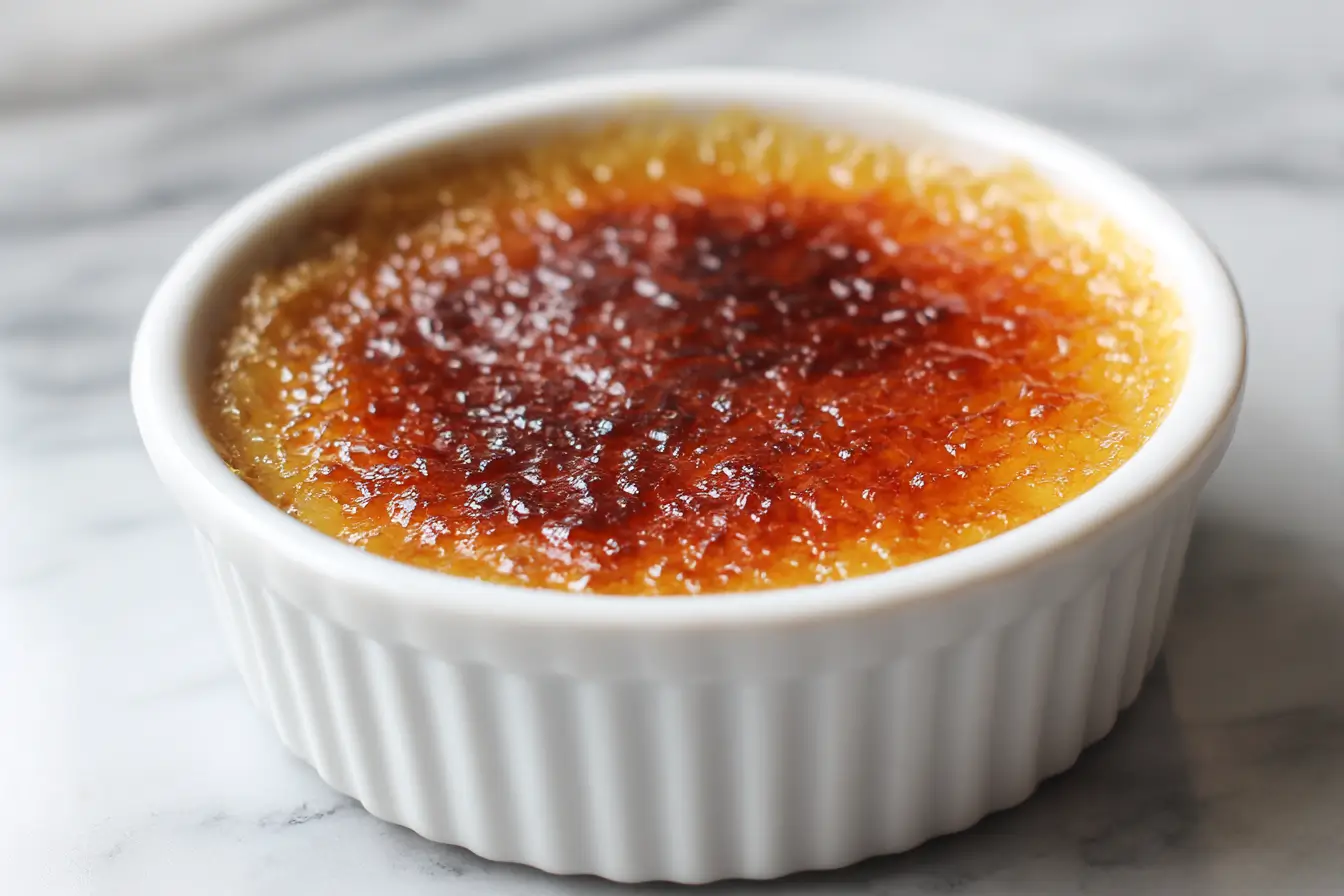
- When ready to serve, sprinkle a thin layer of granulated sugar on top of each custard and use a blow torch to caramelize the sugar until golden and crispy.
- Allow to cool for a few minutes before serving.
Nutrition
Notes
Tried this recipe?
Let us know how it was!Pairing Suggestions for Your Crème Brûlée
For a delightful contrast to your crème brûlée, consider experimenting with Gordon Ramsay Panna Cotta, as its creamy texture complements the rich flavors beautifully.
To elevate your dessert experience, you might also explore the indulgent flavors of Gordon Ramsay Molten Lava Cake, adding an exciting layer of decadence to your meal.
Finally, for a refreshing twist, consider pairing your dessert with Gordon Ramsay Strawberry Jam, which can enhance the vanilla notes in your crème brûlée with its vibrant fruitiness.
Cautionary Culinary Insights
Incorrect pan heat
Using the wrong heat can lead to uneven cooking. Always start with a medium heat to ensure the custard cooks evenly without burning.
Excessive surface moisture
If the surface of your crème brûlée is wet, the torch won’t create a proper crust. Pat the surface dry before caramelizing to achieve that perfect, crispy sugar layer.
Flipping too frequently
Constantly flipping the crème brûlée will disrupt the cooking process. Let it set undisturbed to allow it to reach its ideal texture.
Inadequate resting time
Removing the custard too soon means it won’t fully firm up. Letting it rest in the fridge for at least two hours is essential for the right consistency.
High-Performance Cooking Strategies
Choosing a heavy-bottomed pan significantly improves heat retention, leading to even cooking in your crème brûlée. This selection helps eliminate hotspots that could scorch the custard.
Incorporate a steady butter basting rhythm to enhance flavor and moistness in your dish. Use melted butter to baste every few minutes to create a rich flavor profile.
Starting with your steak at room temperature optimizes the cooking process by ensuring an even cook throughout. Aim for about 30 minutes out of the fridge before you sear.
After cooking, allocate adequate resting time for your steak. This allows the juices to redistribute, resulting in a more tender, flavorful bite when you slice.
When slicing, always cut against the grain for maximum tenderness. This technique breaks down the muscle fibers and ultimately elevates the dining experience.
Flavor Enhancements That Elevate
Vanilla bean infusion
Add real vanilla beans to your custard base for a deep, aromatic profile. Infuse the beans during the heating of the cream for a rich vanilla flavor.
Citrus zest
Incorporating lemon or orange zest brightens the dessert with fresh undertones. Add the zest during the mixing stage for subtle, fragrant notes that cut through the richness.
Espresso kick
Introducing a shot of espresso into the custard provides a sophisticated coffee flavor. Blend it in when combining the cream and egg mixture for a deep, complex taste.
Rum glaze
A touch of dark rum adds warmth and depth, making for an indulgent dessert. Stir in the rum just before torching the sugar to create a sweet and spirited topping.
Proper Handling and Utilization Strategies
Refrigerate leftover crème brûlée in an airtight container to maintain freshness. This method ensures the dessert stays creamy and the sugar crust remains intact for a short time.
To reheat, place under a low broiler just until the sugar crust begins to caramelize again. This will not only warm your custard but also renew the delicious crispy topping.
For leftover uses, try transforming the crème brûlée into an ice cream base or incorporate it into a trifle for an updated dessert option. Both methods elevate your dish while repurposing leftovers effectively.
Addressing Common Concerns
Can I use oil instead of butter?
While you can try oil, butter adds flavor and richness that oil lacks. Always opt for high-quality butter for the best results in both flavor and texture.
How long should I rest the crème brûlée before serving?
Resting for at least two hours in the fridge is vital for achieving the right set. This ensures a smooth texture and allows the flavors to meld properly.
What type of cream is best for crème brûlée?
Use heavy cream for the richest and creamiest texture. This fat content is crucial for achieving the luxurious mouthfeel characteristic of crème brûlée.
Why is my torch flame uneven?
An uneven flame is often caused by a low-quality torch or improper fuel levels. Ensure your torch is filled adequately and adjusted for consistent, controlled flames.
What happens if I don’t cool the custard properly?
Improper cooling can lead to a runny texture or curdled custard. Always allow adequate cooling time to ensure a smooth and creamy consistency.
Confident Culinary Conclusion
Mastering Gordon Ramsay’s crème brûlée technique not only enhances your cooking but also elevates the dining experience to restaurant quality. Focus on precision, timing, and execution to achieve stunning results every time. Take these methods and bring your crème brûlée to the next level; stop second-guessing and start cooking with purpose.