
Gordon Ramsay Ratatouille Recipe was my introduction to vibrant, complex flavors built from simple, humble ingredients. I remember my first attempt vividly—vegetables sizzling in the pan, the air thick with the aroma of freshly chopped herbs and garlic. I was enthusiastic, yet my execution fell flat; everything turned mushy and lacked the sharp, distinct layers of flavor that Ramsay champions. It was frustrating, but that moment when the pan sizzled just right, and the aroma hit me, made everything click. I learned that mastering heat and timing is everything, and it changed how I approached cooking vegetables forever. Get ready, because I’m going to guide you through elevating your ratatouille game with confidence.
The Big Pitfalls in Recreating Gordon Ramsay Ratatouille Recipe
Ignoring heat control: The wrong pan temperature can lead to a mushy mess. Begin with a hot pan to develop that perfect color on your vegetables, then control your heat to achieve the right caramelization without burning.
Overcrowding your pan: Cramming too many vegetables into your skillet traps steam, resulting in soggy ingredients. Work in batches and allow each component to bask in the heat, achieving that signature golden crust.
Neglecting seasoning timing: Adding salt too late can lead to uneven seasoning. Season as you cook to amplify flavors and ensure every layer of your ratatouille is perfectly seasoned.
Forgetting to let it rest: Letting your dish rest allows flavors to meld. Skipping this step can result in muted flavors that don’t sing in harmony.
Using the wrong pan: A non-stick pan might sound convenient, but you miss out on the glorious fond that builds in a stainless-steel or cast-iron pan. This is where flavor comes alive.
Mastering Flavor with Gordon Ramsay’s Principles
Ramsay’s philosophy centers around intensity and precision. “Color equals flavor,” he often emphasizes, showcasing his belief that vibrant, beautifully cooked vegetables offer the maximum taste experience. Proper heat discipline is crucial—high enough to sear, but controlled enough to allow the vegetables to soften while trapping their natural juices. Basting is not just a technique; it’s an art form that allows you to infuse richness and depth into each layer, keeping distractions out of the pan for focused flavor development.
My Home-Cooked Take on it
Staying true to Ramsay’s method is imperative when I make this dish, especially when it comes to using fresh, high-quality vegetables. However, I’ve adapted the cooking method to fit my kitchen specifics—I prefer a heavy-bottomed cast-iron skillet for even heat distribution. I infuse a bit of rich butter right at the end, giving a luxurious finish to every bite. While I try to respect Ramsay’s basting technique, I sometimes use my touch to gauge doneness rather than relying solely on a thermometer. When the vegetables feel tender yet slightly firm to the touch, I know we’re in business. Yes, I break the rules sometimes, but that’s part of finding my own voice in the kitchen.
Ingredients with My Notes
Main ingredients:
- Zucchini
- Eggplant
- Bell peppers
- Tomatoes
- Garlic
- Fresh herbs (like thyme and basil)
- Olive oil
- Salt and pepper
Optional finishing additions:
- Butter
- Balsamic vinegar
- Parmesan cheese
Cooking Method for a Holy Grail Ratatouille Experience
Start by prepping your ingredients—wash, dry, and cut your vegetables into even slices. The uniformity helps with cooking consistency and aesthetics.
Heat your cast-iron skillet over medium-high heat until it’s hot enough to lightly smoke. Add a healthy splash of olive oil to coat the bottom. You want that oil shimmering—that’s how you know the pan is ready.
Begin with the eggplant, placing it in the pan in a single layer. Sear for about 3–4 minutes without moving them too much. You want a deep, golden color. Flip and repeat. Once well-cooked, remove from the pan and set aside.
Next, toss in the zucchini slices. Repeat the searing process—this time, depending on the heat, you should only need about 2–3 minutes per side. Remove once they have caramelized edges.
Now add bell peppers. Use the same method—you’ll want them to gain a bit of char while still retaining a slight crunch, about 2–3 minutes on each side. Remove and set with the rest.
Bring the heat down slightly, then add minced garlic to the residual oil. Sauté for about 30 seconds until it’s fragrant but not burned. If necessary, add a bit more olive oil before tossing in your tomatoes. Cook until they start to break down, creating a sauce, around 4–5 minutes.
Once your sauce has formed, return the vegetables to the pan, meticulously layering them. Season generously and throw in your herbs for boosted flavor.
Cover the pan with a lid and reduce the heat to low. Let it simmer for about 15 minutes, allowing all those flavors to meld. Remember, this is a delicate balance of timing; you want each vegetable to retain its structure while being infused with the sauce.
After 15 minutes, uncover the pan and let it bubble away for another 5–10 minutes to thicken.
Before serving, turn off the heat. Add a few knobs of butter for finishing, swirling around to create a rich, glossy finish. Let the ratatouille rest for 5–10 minutes so the flavors fully develop.
Slice up your dish, and trust me—this isn’t just ratatouille anymore; this is a true homage to the Gordon Ramsay Ratatouille Recipe. Enjoy every bite with the confidence of a chef who understands the craft.

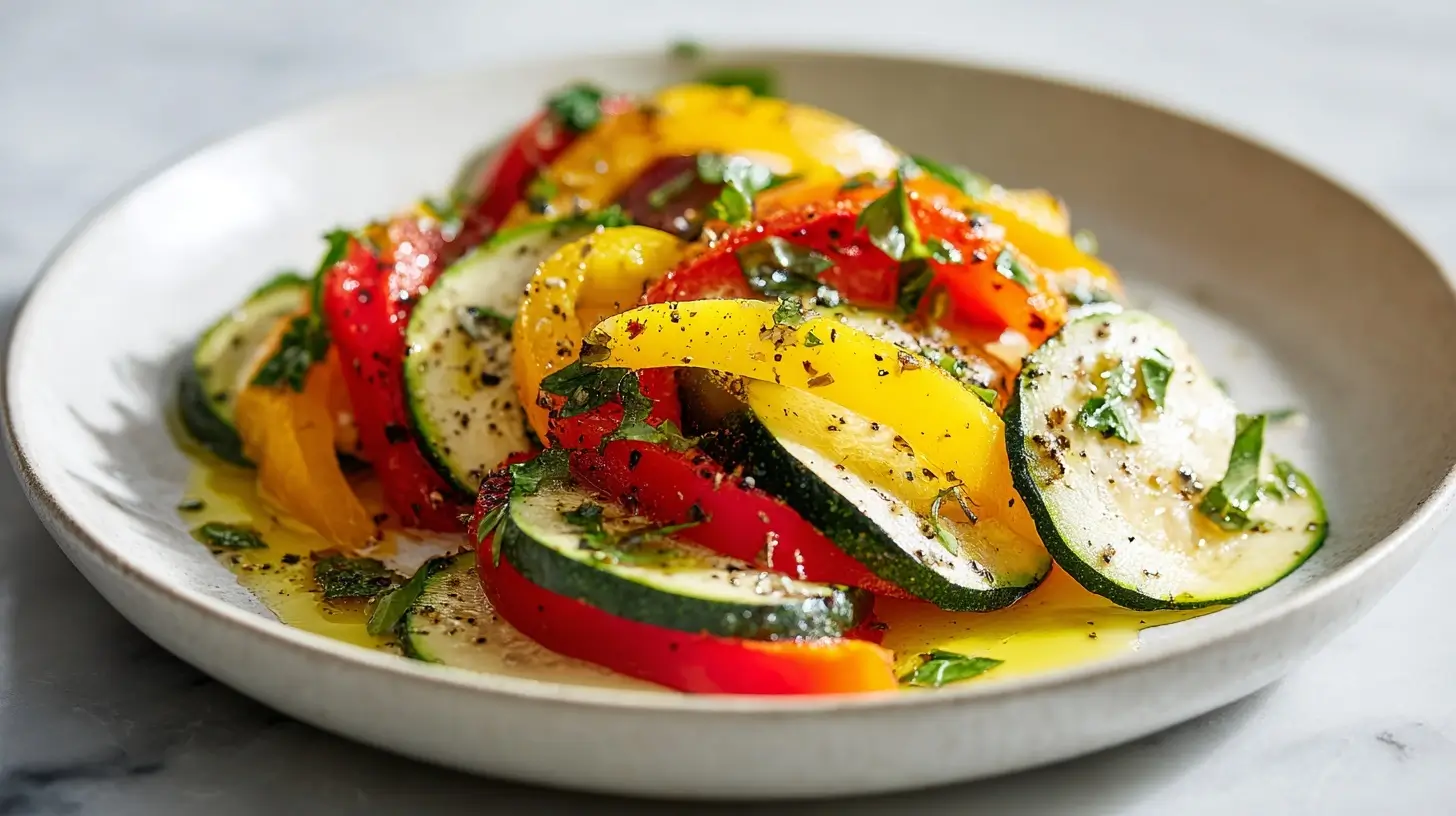
Gordon Ramsay ratatouille recipe
Rate this RecipeIngredients
Equipment
Method
- In a large skillet, heat the olive oil over medium heat.
- Add the onions and garlic, and sauté until the onions become translucent.
- Add the eggplant, zucchini, and bell pepper, stirring occasionally until they soften.
- Stir in the canned tomatoes, thyme, basil, salt, and pepper.
- Simmer the mixture for about 15 minutes, until all the vegetables are tender.
- Serve warm with crusty bread or over rice.
Nutrition
Notes
Tried this recipe?
Let us know how it was!Complementary Dish Recommendations for Ratatouille
For a delightful pairing with ratatouille, consider trying Gordon Ramsay’s baked salmon, which offers a perfect contrast in texture and flavor.
Alternatively, a fresh Caprese salad by Gordon Ramsay can enhance the meal with its vibrant ingredients and refreshing taste.
If you seek a lighter option, Gordon Ramsay’s vegetable soup serves as a comforting appetizer that complements the flavors of ratatouille wonderfully.
Mistakes That Sabotage Your Ratatouille
Pan heat too low
If your pan heat is too low, your vegetables will steam rather than sear. Preheat your pan until it’s hot enough to make the oil shimmer before adding the vegetables for optimal caramelization.
Excess surface moisture
Vegetables with too much moisture will cause your ratatouille to become watery. Make sure to dry them thoroughly before cooking, and consider salting them in advance to draw out excess liquid.
Too frequent flipping
Constantly flipping your vegetables prevents them from developing a deep, rich color. Allow each side to sit undisturbed for a few minutes to achieve perfect browning and intensity of flavor.
Inadequate resting time
Skipping the resting period can lead to uneven flavors and a mushy texture. Let your ratatouille sit for at least 10 minutes before serving to allow the flavors to meld perfectly.
Techniques for Outstanding Ratatouille
Choose a heavy-bottomed pan to ensure even heat distribution throughout the cooking process. A cast iron or stainless steel skillet locks in heat and enhances the browning effect, which delivers intense flavor.
Incorporate a butter basting technique while cooking your ratatouille; a spoonful of clarified butter added near the end will enhance richness and add a glossy finish. This rhythmic application of fat will elevate the dish’s overall mouthfeel.
Ensure your vegetables are at room temperature before cooking. This prevents shocking the vegetables with high heat and promotes even cooking, yielding a perfectly tender texture per ingredient.
Always rest your dish after cooking, which allows the flavors to settle and develop. This resting period not only enhances flavor but also improves texture, making each bite wonderfully cohesive.
When slicing vegetables for your ratatouille, always cut against the grain to prevent them from becoming tough. This technique promises a tender bite and enhances the overall presentation of the dish.
Flavor Enhancements to Elevate Your Dish
Herb Infusion
Incorporate fresh herbs like thyme or basil towards the end of cooking for a vibrant, aromatic finish. Add them just before serving to maximize their flavor and freshness.
Smoky Depth
For a smoky flavor profile, use smoked paprika or chipotle powder. Stir this into the ratatouille during the cooking process to impart a subtle yet layered depth of flavor.
Citrus Zest
A hint of lemon or orange zest can brighten the dish significantly. Add the zest just before serving to lift and balance the robust flavors of the vegetables.
Red Wine
Introduce a splash of red wine during cooking to enhance richness and complexity. Add it after your vegetables have begun to soften for an integrated flavor profile that enhances the overall dish.
Proper Storage of Your Ratatouille
Store your ratatouille in an airtight container in the fridge, where it can last for up to five days. Ensure the dish has cooled to room temperature before sealing to prevent condensation and maintain texture.
For reheating, opt for the stovetop for the best results. Gently warm over low heat, adding a splash of water or stock to prevent drying out, and stir occasionally until heated through.
Consider repurposing leftovers creatively. Use ratatouille as a robust pasta sauce, mix it into an omelet for added flavor, or layer it onto a grilled sandwich for a culinary twist.
Essential Questions on Ratatouille
How do I prevent the vegetables from getting soggy?
To avoid soggy vegetables, ensure that they are dried properly and refrain from overcrowding the pan. Cook in batches if necessary, allowing each piece to sear adequately without steaming.
What is the ideal resting time for ratatouille?
Allow ratatouille to rest for at least 10 minutes after cooking. This enables the flavors to meld and improves texture, ensuring a more harmonious dish when served.
Which type of oil is best for sautéing ratatouille?
Use a high smoke-point oil, such as grapeseed or canola oil, for sautéing your vegetables. These oils withstand high heat without burning, which is essential for achieving an optimal sear.
Is there a specific cut of vegetable that works best?
Utilize firm, seasonal vegetables such as eggplant, zucchini, and bell peppers for the best results. These types hold their shape and showcase robust flavors suitable for ratatouille preparation.
Should I peel the vegetables for ratatouille?
It is often best to leave the skins on, particularly for eggplant and zucchini. The skins add texture and nutrients, enhancing the overall flavor and integrity of the dish.
Command Your Kitchen with Ratatouille Techniques
Implement these cooking methods and techniques with confidence, and your ratatouille will mirror the quality of established restaurants. Each preparation step enhances flavors and textures, empowering you to achieve restaurant-level results consistently. Stop second-guessing your culinary capabilities. Cook with intent; the results will speak for themselves.