
Gordon Ramsay Prawn Risotto Recipe is a culinary journey that transforms the ordinary into extraordinary with minimal ingredients and maximum technique. The first time I tried my hand at this dish, I thought I could wing it, just like I always do. It was a disaster—a mushy mess that didn’t resemble the creamy, perfectly al dente risotto I had seen him prepare on screen. But then, during my second attempt, something clicked. I realized that the secret lay in the gently coaxed flavors and the careful dance of timing and heat. The aroma of sautéed shallots and garlic mingled with the rich broth, teasing my senses as I stirred, and the prawns sang in the pan. It was a revelation. This technique, precise and demanding, taught me not just how to cook risotto, but how to command the kitchen confidently. I promise you, this method will change how you cook seafood risotto forever.
The Real Deal: Gordon Ramsay Prawn Risotto Recipe and What Most Get Wrong
Heat control fails: Many home cooks either undercook or overcook their risotto by not controlling the heat. Too high, and you’ll scorch it; too low, and it won’t release its starch, resulting in a soupy texture.
Timing is everything: If you add the broth too quickly, you’ll overwhelm the rice, leaving it unseasoned and chewy. Allowing each ladle of liquid to be absorbed ensures even cooking and flavor building.
Ditching seasoning early: Some forgo seasoning until the end, but adding salt at the right intervals brings out flavors. A pinch while cooking can enhance the prawns and rice, creating a harmonious dish.
Resting neglect: Skipping the resting phase after your risotto is finished leads to a loss of creaminess. Allowing it to sit for just a couple of minutes lets the flavors meld beautifully.
Pan choice matters: Using the wrong pan—like a non-stick skillet—will rob you of the fond, the brown bits that develop flavour. Opt for stainless steel or cast iron to enable searing and depth in your risotto.
Ramsay’s Must-Know Techniques for Perfect Risotto
What Gordon Ramsay emphasizes in many of his dishes, especially the quintessential prawn risotto, is that “color equals flavor.” This philosophy drives home the importance of heat discipline and the patience to build layers of flavor without distractions. When you pan-sear your prawns, the golden crust is what brings the dish to life. He advocates for basting not just for the sake of moisture, but as a critical technique to infuse the entire dish with the sweetness of the sea. This isn’t just about tossing ingredients together; it’s about mastering the process, controlling the variables, and focusing intently on the pan.
My Personal Take on the Gordon Ramsay Prawn Risotto
When I recreate the Gordon Ramsay prawn risotto recipe at home, I hold tightly to certain sacred techniques—chiefly, the method of slowly adding broth and the critical need for resting time at the end. However, I often tweak the pan choice depending on my equipment; a heavy-bottomed pan retains heat well, crucial for this dish.
Butter finishing is another key step where I go a bit off-script. While Ramsay often advocates for a generous amount of butter, I dial it back slightly to allow the risotto to shine without being overly rich. I pay attention to that touch test for doneness instead of relying strictly on a thermometer; perfectly cooked prawns should be tender yet firm, taking cues solely from feel.
I occasionally break the rules by adding a dash of soy sauce or a sprinkle of fresh herbs that stray from traditional Italian cuisine. This gives the dish a unique twist while still celebrating the robustness of classic preparation.
Ingredients with My Notes
Main ingredients:
- 1 cup Arborio rice
- 4 cups seafood or vegetable stock
- 1 cup white wine
- 1 shallot, finely diced
- 2 cloves garlic, minced
- 1 lb raw prawns, peeled and deveined
- 2 tablespoons olive oil
- 4 tablespoons unsalted butter
- Salt and pepper to taste
- Fresh parsley, chopped (for garnish)
Optional finishing additions:
- Grated Parmesan cheese
- Zest of 1 lemon
- A splash of cream
The Proven Method for Gordon Ramsay Prawn Risotto Recipe
Start by heating your stock in a saucepan over low heat. It’s crucial that your stock stays warm as you cook the rice; cold stock will disrupt the cooking process.
In a large, heavy-bottomed pan, heat the olive oil over medium heat. Once hot, add the finely diced shallot and cook until translucent, about 2-3 minutes. This builds the foundational flavor for your risotto.
Add the garlic and Arborio rice to the pan. Stir constantly for about one minute until the rice is glossy and slightly toasted. This step ensures that the rice absorbs flavor right from the start.
Pour in the white wine and increase the heat to medium-high. Stir continuously, allowing the wine to reduce by half. This adds acidity and depth that will balance the richness.
Once the wine has cooked down, begin adding ladles of warm stock, one at a time. Stir gently and allow the rice to absorb the liquid before adding the next ladle. This process should take about 18-20 minutes. The rice should be creamy and al dente by the end.
While the risotto cooks, in a separate pan, heat a tablespoon of oil and sear the prawns for about 2-3 minutes per side until they turn pink and opaque. Be careful not to overcrowd the pan; cook them in batches if necessary. This keeps the prawns juicy and prevents them from steaming.
Once the rice is cooked, remove it from the heat and gently fold in the sautéed prawns. Add butter and mix until creamy. Taste and season to perfection with salt and pepper.
Let the risotto rest for 2-3 minutes off the heat. This resting period allows the flavors to meld and the dish to thicken slightly. Just before serving, stir in grated Parmesan if desired and finish with a touch of lemon zest for brightness.
Serve your prawn risotto garnished with freshly chopped parsley and enjoy the culmination of colors and flavors that elevate your dish from home kitchen to gourmet experience.
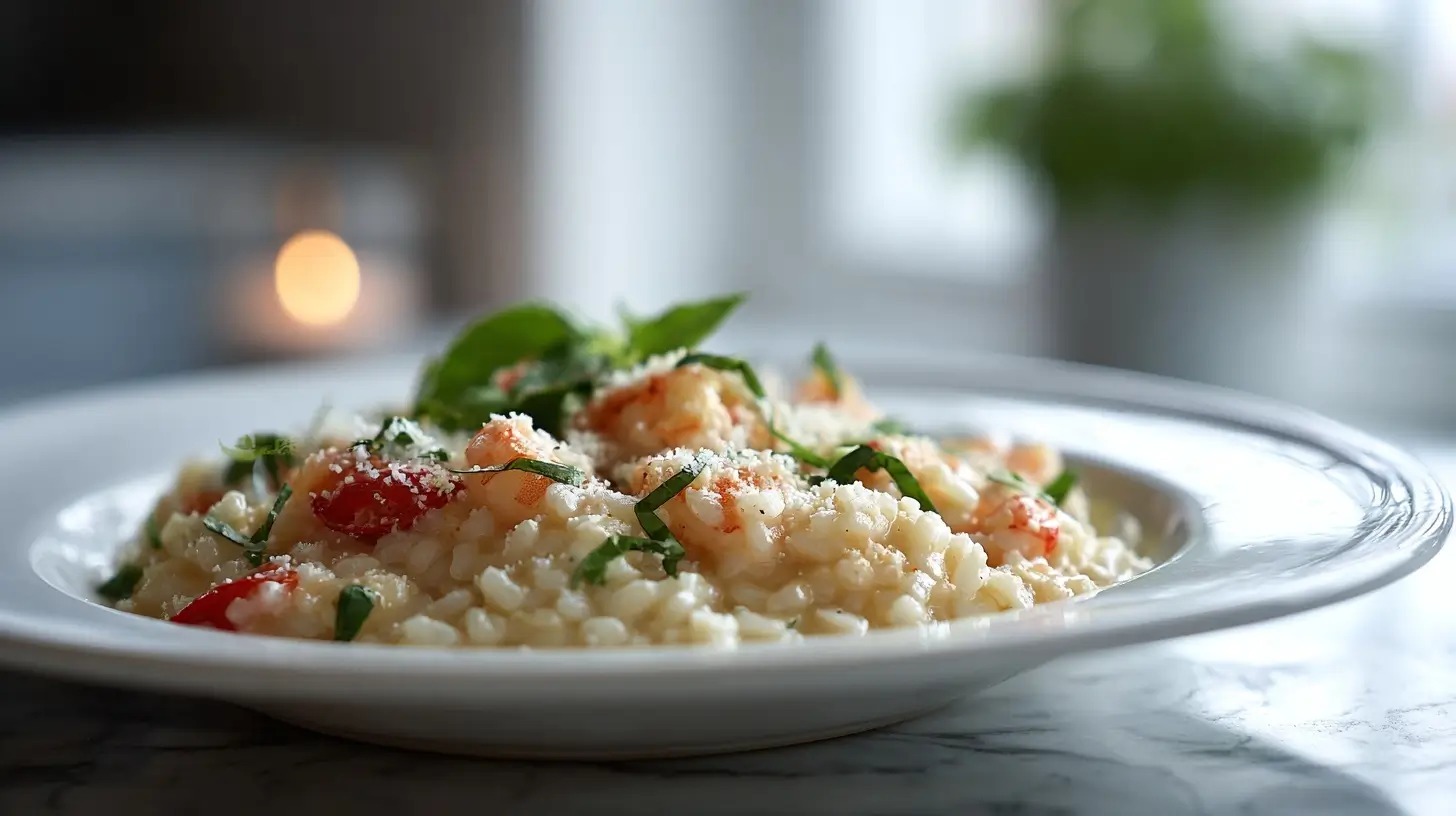
Gordon Ramsay prawn risotto recipe
Rate this RecipeIngredients
Equipment
Method
- Heat the olive oil in a large saucepan over medium heat. Add the chopped onion and cook until translucent, about 5 minutes.
- Add the minced garlic and cook for another minute until fragrant.
- Stir in the arborio rice, coating it in the oil and cooking for 2-3 minutes until slightly translucent.
- Pour in the white wine (if using) and let it cook until it evaporates.
- Gradually add the warm vegetable stock, one ladle at a time, stirring frequently, until the rice absorbs the liquid. This should take about 15-20 minutes.
- When the rice is almost cooked, stir in the prawns and cook for an additional 5 minutes until they turn pink and opaque.
- Stir in the butter and grated parmesan cheese, then season with salt and pepper to taste. Remove from heat.
- Serve immediately, garnished with extra parmesan and a sprig of parsley if desired.
Nutrition
Notes
Tried this recipe?
Let us know how it was!Explore More Gordon Ramsay Seafood Delights
If you’re intrigued by the flavors of prawns in various cuisines, the Gordon Ramsay Prawn Curry Recipe offers a delightful twist that showcases different spices and cooking techniques.
For another pasta option that brings a touch of luxury to your table, consider trying the exquisite Gordon Ramsay Lobster Pasta, which beautifully balances rich flavors with fresh ingredients.
If you’re looking for something with a vibrant kick, check out the Gordon Ramsay Thai Red Curry, where bold flavors and fresh ingredients come together for a memorable meal.
Mistakes To Avoid When Making Prawn Risotto
Underestimating pan heat
A pan that’s not hot enough will lead to uneven cooking and a mushy texture. Always preheat your pan to medium-high before adding your ingredients.
Excessive moisture on the surface
If your prawns are wet, they won’t achieve a proper sear, impacting flavor. Pat them dry before cooking to ensure a perfect crust.
Flipping prawns too frequently
Constantly flipping prawns stops them from caramelizing, leading to bland results. Allow each side to cook for at least two minutes without interference.
Not resting the risotto adequately
Skipping the resting time after cooking can result in a gluey consistency when served. Let the risotto sit for five minutes to firm up before plating.
Techniques That Elevate Your Prawn Risotto
Choosing a heavy-bottomed pan is crucial for even heat distribution and preventing sticking. A sauté pan works best, allowing for optimal evaporation of liquids. Incorporate a butter basting technique during cooking to infuse richness; add a tablespoon of butter and tilt the pan to coat the risotto every few minutes. Always start with your prawns at room temperature; cold prawns will lower the pan’s temperature, making them tough instead of succulent. After cooking, slice any additional toppings against the grain; this enhances tenderness and presentation, adding restaurant-level finesse to your dish.
Flavor Enhancements That Boost Prawn Risotto
Lemon zest
Add lemon zest during the final minute of cooking for a fresh brightness that cuts through the richness. This elevates the dish without overpowering the main flavors.
Chili flakes
Incorporate a pinch of chili flakes into the base of your risotto for a subtle heat that complements the sweetness of the prawns. It’s best added early, letting the flavors meld throughout cooking.
Saffron threads
Incorporate saffron threads into your broth for a luxurious depth and a beautiful color. Add them to the simmering stock to extract the full flavor before blending into the rice.
Shallots and white wine
For a more complex base, sauté finely chopped shallots before adding the rice, then deglaze with white wine. This adds a sweet, aromatic foundation, enhancing the overall flavor profile.
Keeping Your Prawn Risotto Fresh
When storing prawn risotto, keep it in an airtight container in the fridge. It will remain at its best for up to three days. To reheat, do so gently on the stovetop with a splash of stock or water, stirring frequently until heated through; this prevents the risotto from becoming too dry. For leftover uses, consider transforming it into arancini for a crispy appetizer or use it as a flavorful stuffing for bell peppers, elevating any quick meal into something impressive.
Common Questions About Prawn Risotto
How do I prevent my risotto from becoming too sticky?
Maintaining a consistent stirring technique while adding warm liquid gradually helps to develop a creamy texture without sticking. Also, use high-quality Arborio rice to facilitate this process.
What type of oil should I use for cooking prawns?
A neutral oil with a high smoke point, like vegetable or grapeseed oil, works best. This allows for proper searing without imparting unwanted flavors onto the prawns.
How long should I let my risotto rest before serving?
Allowing the risotto to rest for about five minutes after cooking ensures that it achieves the perfect consistency before serving. This sitting period allows the flavors to meld and the texture to firm up slightly.
What type of prawns are best for risotto?
Opt for large, raw prawns for the best results; they add a meaty texture and absorb flavor well. Avoid pre-cooked varieties, as they can become rubbery when reheated.
Can I use frozen prawns for this recipe?
Yes, frozen prawns can be used, but they should be thawed and patted dry before cooking to ensure optimal searing. This will enhance flavor and texture in your risotto.
Mastering Prawn Risotto Like A Pro
Employing these techniques and insights will elevate your prawn risotto to restaurant-quality. Embrace precision in your execution, from temperature management to ingredient selection. With practice, you’ll create a dish with clarity of flavor and texture. Stop guessing and start cooking with focus; your gourmet risotto journey begins now.